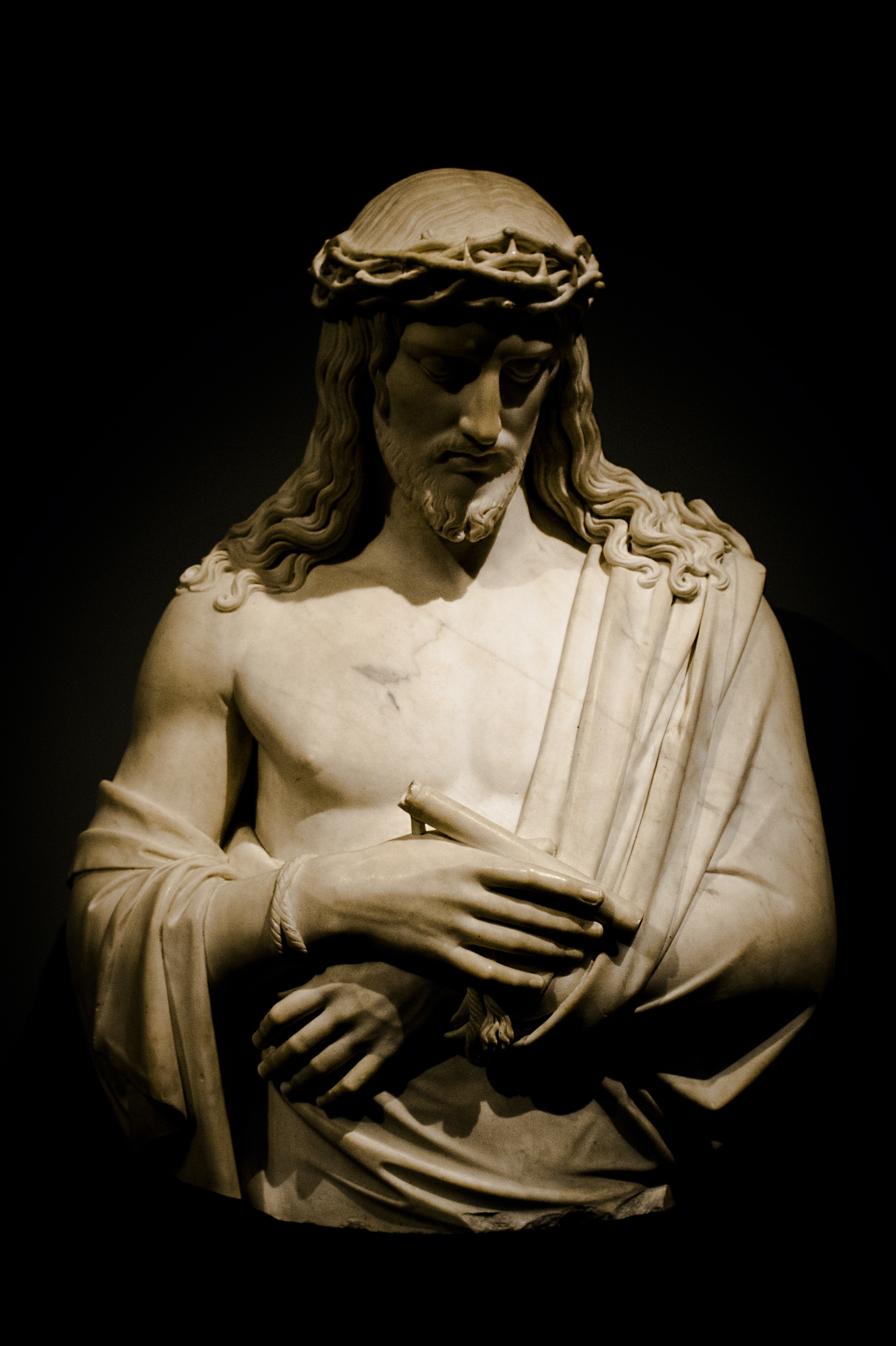
God Adores You

Have you ever wondered what God thinks about you? 

At first, it may seem like a complicated question and one that’s not easily answered. However, all we have to do is turn to the Bible to find the truth. It is full of uplifting verses that tell us exactly how God feels about us.

We are of supreme importance in our Heavenly Father’s eyes. Just read these words found in the book of Matthew:

Are not two sparrows sold for a penny? And not one of them will fall to the ground apart from your Father. But even the hairs of your head are all numbered. Fear not, therefore; you are of more value than many sparrows.

Matt. 10:29-31

Does it surprise you that God keeps track of each and every bird on the earth? But even more importantly, He regards us much more highly than any bird. So we should never worry about our worth in God’s eyes.

As we find out in Jeremiah, God planned for us even before our conception:

Before I formed you in the womb I knew you…

Jer. 1:5

There’s really not much more that can be said about this verse. It perfectly explains that God had a plan for each of us before we were ever conceived. 

Plus, He mapped out our lives ahead of time, as we read here:

All the days ordained for me were written in your book before one of them came to be.

Psalm 139:16

God knows the exact length of each of our lives and knows what He wants our lives to consist of long before we were ever born.

Perhaps one of the best known verses, and one of the most quoted, is John 3:16. Take a moment to really reflect on what this verse says about God and His feelings for us:

For God so loved the world, that he gave his only Son, that whoever believes in him should not perish but have eternal life.

God loves us so much that there is nothing He wouldn’t do for us. Just take a look at this verse:

If you then, who are evil, know how to give good gifts to your children, how much more will your Father who is in heaven give good things to those who ask him!

Matt 7:11

We are His most prized creation. He even formed us in His image:

Then God said, “Let us make man in our image, after our likeness.

Gen. 1:26

No other part of God’s creation is fashioned in His image—only mankind is. We are the preeminent creation of God. He values us above everything else in the universe.

These are just a few of the many verses that explain how much God loves us. 

If you’re ever in doubt about your worth in the eyes of God, just pick up your Bible and begin reading. You’ll soon discover the truth that God loves you immensely! 

Where Did God Come From?

At some point, most people have probably wondered where God came from.

You may not be familiar with the term aseity, particularly when it comes to God. According to gotquestions.org,

The aseity of God is His attribute of independent self-existence.

Basically, it means that God was not created. He is and always has been in existence. There was never a time when He did not exist. 

Aseity is a difficult concept for us human beings to wrap our heads around. We think in terms of beginnings and endings. For us, everything that we see we understand has been created, either by God or by man. 

Whether we’re looking at the sun—which we can attribute to God’s creation—or we gaze at the car sitting in our driveway—which was made in a factory somewhere—these are things that were once not in existence.

For us to think about God and His “independent self-existence” we have to accept what to our minds is an illogical concept. 

However, God is the sovereign Creator of the universe, so it shouldn’t be hard for us to ascribe aseity to Him. 

In Exodus 3:14a, we read,

God said to Moses, “I am who I am.”

This means God is and always has been. He is not just the beginning and the end. He is, and He created the beginning and ending of all things, including us. 

He didn’t need anyone or anything to create Him.

Someone may ask, Well, then did God create Himself? To ask that question implies that God had a beginning, a time when He didn’t exist. My opinion is that God did not create Himself. 

As R.C. Sproul writes in Enjoying God,

To create itself, something, even God, would have to be before it is. It would have to exist and not exist at the same time.

That logic makes sense to me. God could not have created Himself because He could not have existed and not existed at the same time.

Furthermore, God’s aseity means that He does not rely on anything else for His existence. He did not depend on anything for His creation, and He does not need any outside help to maintain His existence.

In fact, it is us humans, and every other living thing on the planet, that depends on Him for our existence. Without His willingness to keep us alive, we would not exist. 

We would not and could have ever come into existence without His causing it. He is the Supreme Cause and Creator of everything else in the universe.

God and only God decides the lifespan of everything.

When we’re talking about the aseity of God, it doesn’t include just God the Father. Jesus and the Father are both God, so the same principles hold true for Jesus as well.

Referring to Jesus, John 1:3 says,

All things were made through him, and without him was not any thing made that was made.

Jesus our Savior has all the same godly characteristics as God the Father.

He existed before anything else and was integral to the creation of our universe. Without Him we can do nothing.

We can’t mention Jesus without talking about His saving grace.

In fact, He is our only path to salvation. In John 14:6, Jesus says,

“I am the way, and the truth, and the life. No one comes to the Father except through me.”

Furthermore, He says in John 10:30,

“I and the Father are one.”

We have to accept the Lordship and divine attributes of Jesus to obtain our salvation. Believing that He is God and that He created everything else opens the door to eternal life.

It is the only way that we can enter into everlasting fellowship with God.

So, only by accepting the aseity of God, including that of the Father, Jesus, and the Holy Spirit, can we accept the deity of God.

He is not in the same category of creation as we are. He is the Creator, and we are the created.

God doesn’t have to have a beginning and an end, as He is the Author of everything else. 

Understanding and grasping this truth will help us better revere, worship, and serve God in our everyday lives.

God’s Judgment, God’s Love


Symbol of scales is made of stones on the cliff

To the woman he said, “I will surely multiply your pain in childbearing; in pain you shall bring forth children. Your desire shall be for your husband, and he shall rule over you…And to Adam he said, “Because you have listened to the voice of your wife and have eaten of the tree of which I commanded you, ‘You shall not eat of it,’ cursed is the ground because of you; in pain you shall eat of it all the days of your life.” (Gen. 3:16-17).

Beloved, let us love one another, for love is from God, and whoever loves has been born of God and knows God. Anyone who does not love does not know God, because God is love (1 John 4: 7-8).

line-divider

I recently listened to a podcast in which pastor Greg Laurie commented that God is a happy God. His statement caught me a little off guard — I’ve never thought of God as happy.

My earliest childhood conception of God was of a man clothed in white, with long white hair and white beard, sitting in a control booth of sorts in the sky, watching carefully over His creation. In front of him was a panel with hundreds of small buttons that he was furiously but thoughtfully pushing one after another, so that just the right thing at the right time in the right place would happen to the right people in just the right way. After all, that was His job — running the universe and calling the shots.

I never thought of Him as loving or intimately involved with the humans He had created. The God in the control booth actually seemed rather aloof to me now that I think back on it (of course, I didn’t know what aloof meant when I was five years old).

As I got a little older and began reading the bible on my own, God began to seem like more of a judge to me — a big, huge Judge-in-the-Sky ready to pronounce sentence on anyone he saw misbehaving (see the verse from Genesis above).

Love? That didn’t seem to be what God was all about. He was surely too busy telling all the birds which way direction to fly and managing thunder and lightning to be concerned with much else. How could He find time to love and nurture us?

Why have I always struggled with this particular image of God while others see Him only as loving and kind, like a good earthly father?

I’ve actually been pondering this question for some time now. Of course, in reading the New Testament we find numerous verses describing God’s love for us. In particular, we read that He loves us so much that he allowed his only son to die for for our salvation.

Even so, it just never really clicked into place that God loves me personally, that He cares for me, or that He gazes down from Heaven at me with a gleam of love and compassion in His big eye — like my father might have.

Then one day my mind drifted back to my early bible reading days. When I was in elementary school I had a Living Bible my older sister had given me for Christmas. As I pictured that big old bible with its soft, green cover I had a revelation. If I were to go find that bible right now and look at the edges of the pages, I would notice a clear demarcation between the more worn, dirty pages and the cleaner, white pages. That division would be close to the beginning of the bible, somewhere near the latter part of Genesis.

It would be clear from even a quick glance that most of my reading from that bible had been from the very beginning of the scriptures. Over the years each time that I had decided I needed to start reading the bible I started at the beginning, Genesis, just as I would read any other book.

In the beginning is where we find a representation of God not only as Creator, but also “Judge of all the earth” (18:25). Besides the story in the Garden of Eden referenced above, we find the account of the tower of Babel where God disperses the prideful people and confuses their language. We also read how God sends fire to destroy Sodom and Gomorrah because of their sin, and He turns Lot’s wife into a pillar of salt because she looks back at the destruction of the two cities.

dinosaurs However, in Genesis perhaps the most powerful image of God as a Judge is found in the account of the great flood. God sees that man has a penchant for wickedness, so He says, “I will blot out man whom I have created from the face of the land, man and animals and creeping things and birds of the heavens, for I am sorry that I have made them” (6:7). After reading the story of the flood I vaguely remember wondering how God could kill all of the living creatures on the earth. That seemed so mean and cruel to my young mind.

Furthermore, God’s love is not very well-represented in Genesis. The word “love” is found several times in the book, but only once is the word used of God: “But the Lord was with Joseph and showed him steadfast love…” (Gen. 29:31a).

1237916330642196052IceHand_Ornamental_Divider_Englische_Linie.svg.med

I recently attended a discipleship class led by a very godly man. He exuded peace, and I could tell by talking to him, even briefly, that his walk with God was of utmost importance to him.

During one of the sessions I happened to glance down at his bible. Even sitting several fee away, I couldn’t help but notice that its pages were worn and dirty beginning about 3/4 of the way through, roughly near the beginning of the New Testament. I certainly have no idea of the entire history of his bible reading, but one thing was certain — most of his reading in that bible had been from the New Testament.

I suspect that this man’s underlying image of God is quite different from mine.

I’ve heard new Christians (or those investigating Christianity) told to start reading the bible at John, not Genesis. As a small child, what if I had done the same? As an adult would I now have a significantly different image of God?

I’m betting I would see God as a happy God, just as my discipleship class leader sees Him, and just as Greg Laurie describes Him.