4 Biblical Paradoxes That Represent Profound Truths

I am often perplexed when it comes to the truths found in the Bible. It’s hard for us humans to fathom the nature of God and His ways. 

When I’m feeling frustrated about my lack of understanding, I’ll often remember that God tells us:

For my thoughts are not your thoughts, neither are your ways my ways (Isa: 55:8).

Reading this verse usually makes me feel better about myself, as I once again realize this profound truth: that there is a God, and I am not Him.

I believe that there are certain holy truths that we’re not meant to fully grasp. We can try all we want, but our brains are just not capable of understanding the ways of a God who created and maintains the entire universe.

That being said, following are some of the most notable paradoxes that we find in the Bible. These aren’t contradictions as skeptics would like to call them, but rather dual truths that we can’t fully explain.

I can’t take credit for coming up with these. Although anyone could read through the Bible and discover them for themselves, I came across these on a recent message from Dr. Michael Youssef called, “How Does Our Attitude Affect Our Joy?”.

So let’s dig in.

Jesus is fully God, yet fully man.

And the Word became flesh and dwelt among us, and we have seen his glory, glory as of the only Son from the Father, full of grace and truth (John 1:14).

For in him the whole fullness of deity dwells bodily (Col. 2:9).

[God] was manifested in the flesh (1 Tim. 3:16a).

Christianity is the only religion I know of where its deity actually came to earth to live with mankind. In all the other religions of the world, the creator is a distant being who is untouchable and unknowable to its adherents.

Not so with the living Jesus. He was born in a lowly manger among animals. He didn’t perch Himself on a throne and order His subjects to bow at His feet. 

Rather, He submitted Himself to the will of the Father and died a gruesome, tortuous death to secure salvation to those who would choose to believe in Him. 

In this way, Jesus became as much human as you or I, yet remained as much God as the Father is. 

Difficult to explain? Yes. But also true.

The Bible is written by human beings, but every word is authored by the Holy Spirit.

All Scripture is breathed out by God and profitable for teaching, for reproof, for correction, and for training in righteousness (2 Tim. 3:16).

For no prophecy was ever produced by the will of man, but men spoke from God as they were carried along by the Holy Spirit (2 Pet. 1:21).

And now, go, write it before them on a tablet and inscribe it in a book, that it may be for the time to come as a witness forever (Isa. 30:8).

God wanted us to have His preserved, written word. But rather than just personally hand it to us, He purposely used man to help write it down. 

Through the inspiration of the Holy Spirit, around 40 authors over about 1500 years recorded God’s words. Although each book of the Bible contains elements of the individual who wrote it, each is ultimately written by the divine Author as He saw fit. 

Just look at the four gospels that give the account of Jesus’s life. Each author tailored his book to a different audience with a somewhat different focus, yet each tells the story of Jesus without contradicting the other gospels.

Every other book of the Bible is the same. They tell God’s story and the redemption of mankind while allowing the individual authors to insert a little of their own personalities into the manuscripts.

So—authored by God, written by man.

God eternally secures the believer’s salvation, yet we are commanded to obey Him.

I give them eternal life, and they will never perish, and no one will snatch them out of my hand (John 10:28).

And do not grieve the Holy Spirit of God, by whom you were sealed for the day of redemption (Eph. 4:30).

Truly, truly, I say to you, whoever hears my word and believes him who sent me has eternal life. He does not come into judgment, but has passed from death to life (John 5:24).

The “once save, always saved” debate is alive and well in the church today. Yet God’s word stresses the point that once we accept Christ, our destiny is sealed. 

Some would ask if obedience to God is necessary to maintain our salvation. 

However, it’s not a matter of obeying God to remain saved and hold on to our eternal inheritance. Rather, Christians willingly choose to obey God because He sacrificed His son for our salvation.

God expressed His love for us first, even when we weren’t worthy of it. Consequently, we love and honor Him in return by following His commandments. 

Even though we may sin after becoming a Christian, this doesn’t negate our salvation.

Instead, our confidence in our eternal destiny gives us hope that even when we make mistakes, God still loves us and will welcome us home when the time comes.

God is sovereign in dealing in the affairs of His children, yet He responds to our prayers.

He does according to his will among the host of heaven and among the inhabitants of the earth; and none can stay his hand or say to him, “What have you done?” (Dan. 4:35b).

The prayer of a righteous person has great power as it is working (James 5:16b).

If you abide in me, and my words abide in you, ask whatever you wish, and it will be done for you (John 15:7).

This paradox is particularly difficult for me. How can God control the entire workings of the universe and, at the same time, allow us to have influence over individual events in our lives through prayer?

It’s easy to tell ourselves that God’s will will prevail no matter what. While this is true, it is important to understand that our prayers play a crucial role in shaping our lives and those around us. 

Yes, this is difficult to grasp. But it is an important doctrine of our faith and represents God’s willingness to allow us to impact our world.

The important thing to remember about these paradoxes, and any others we find in the Bible, is that they shouldn’t shake our faith in a good, loving, all-powerful God. 

Instead, we should focus on the fact that God’s nature and power are so far beyond our comprehension, we can never hope to fully understand them on this side of Heaven. 

That’s where faith comes in. And faith “is the assurance of things hoped for, the conviction of things not seen” (Heb. 11:1).


Jesus Wants to Be Our Everything

Like many people, I’m guilty of accepting Christ as my savior years ago, then basically forgetting about Him as the years pass. I don’t mean that I’ve completely abandoned Christ. Rather, I’m confident and secure in my salvation, but I don’t look to Jesus and His presence in my everyday life.

I’m glad that I’m going to Heaven. It’s great knowing that I will live for eternity with God, worshipping Him and living in paradise with other believers, including the people I’ve cared about most in this life. 

But I don’t think that we were saved to simply “live life.” We weren’t supposed to just say, “OK, now my eternity is secured. Thanks for that, Jesus,” and just go on about our merry way, with little or no thought about Him. 

Jesus is, of course, our salvation, our connection to God the Father whom He sent to earth in human form to die for us. 

But if that’s all that we think of Jesus as, then we’re missing out on who He really is and can be in our lives. 

Because He’s our Savior, our lifeline to the Father, He represents God to us. And I don’t believe that that’s all God wants for us.

It’s also about accepting and nurturing a deep relationship with Jesus, letting Him into our lives and letting Him truly be a friend—just like we would anybody else.

He wants to walk us through life, to be by our side through all the ups and downs as we rely on Him to get us through the next challenge.

After all, God promises to never leave us nor forsake us (Heb. 13:5). We can count on His loving devotion to see us through the hard times. 

There are many examples in Scripture where Jesus reminds of His willingness to comfort us:

Come to me, all who labor and are heavy laden, and I will give you rest (Matt. 11:28).

Let not your hearts be troubled. Believe in God; believe also in me (John 14:1).

I have said these things to you, that in me you may have peace. In the world you will have tribulation. But take heart; I have overcome the world (John 16:33).

It’s not that we have to “choose” Jesus over God—Jesus IS God. 

Rather, we’re taking advantage of our esteemed position in Christ to have unfiltered access to God, allowing His love, comfort, and wisdom to have full effect in our lives. 

What this means is that, because of Jesus, I can come boldly to God with all my needs, wants, and even my complaints (Heb. 4:16).

He wants to be my everything. All I have to do is keep letting Him be a vital part of my life every day. 

When I consistently do this, I’ll be on my way to living the rewarding, fulfilling life that God wants me to experience.

Do You Have Idols in Your Life?

Idolatry. We run up against this sin every day because we are tempted to worship at the altar of things and famous people rather than the God who created everything in the world.

Idolatry can go by another name that’s more common to us—materialism.

You probably don’t think of yourself as an idol worshiper, but you very well could be. 

No, you most likely don’t have small wooden or stone figurines sitting around your house that you bow down to and offer up prayers to.

But there may very well be other things in your life that play a similar role. It could be money, your career, your car, your house, your status in the community, or even something else.

You may give these things prime space in your life while knocking God out of the top spot of importance.

Even if you don’t realize it, these idols can influence your daily behavior, causing you to pursue them while putting your reverence and service to God on the back burner.

For example, if you spend 60 or 70 hours a week working, and you don’t feel like doing anything else when you’re not at work, then your career may be your idol. 

If you’re so hung up on getting ahead in life because of the status that will bring, you most likely have put God in second place (or lower) in your life.

If you put in extra hours at work just so you can drive a car with a fancy name plate, your career may be your idol (not that there’s anything wrong with driving a nice car).

To be able to wear designer clothes just for the sale of the label is a form of idolatry (once again, not that there’s inherently wrong with designer clothes.

Sports could be your idol. If you never miss playing golf on the weekend and something just feels off if you don’t get to hit the links, you may have misplaced priorities.

In short, if there’s anything in your life that’s more important to you than God and the opportunities you have to spend quiet time alone with Him, it’s most likely an idol.

If you have teenagers, you may have noticed that the walls of their rooms are covered with posters of famous teen-age heartthrobs or musicians. 

It is these images that your kids are looking at first thing in the morning and are the last thing they see at night.

I should know. When I was 14 or 15, almost every square inch of my bedroom wall was covered with pictures of heavy metal bands I had cut out of Circus or Hit Parader magazine. 

Even though my mom probably cringed every time she went in my room, I don’t remember her ever saying anything to me about it. 

After I accepted Jesus into my life, I gradually realized that these weren’t images I wanted on my walls anymore. They slowly came down as my relationship with God grew.

However, we as parents may need to say something to our kids about the icons they look up to. 

Whether it’s sports figures, musicians, or actors, these famous people may be making it hard to place God at the front and center of their lives. 

Let’s face it, if there’s a scantily clad woman on your son’s wall, that’s what his attention is going to be on—not God. 

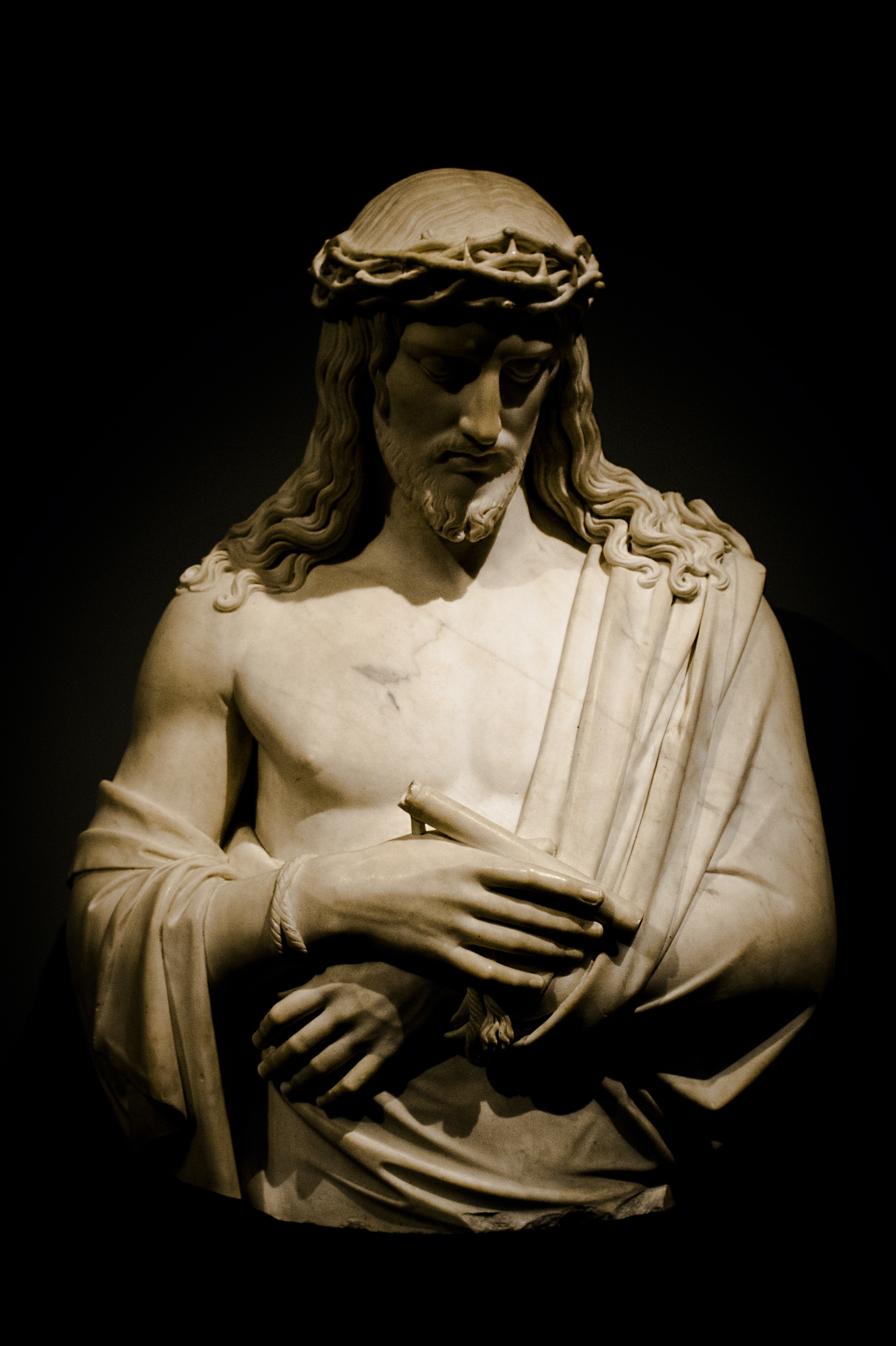
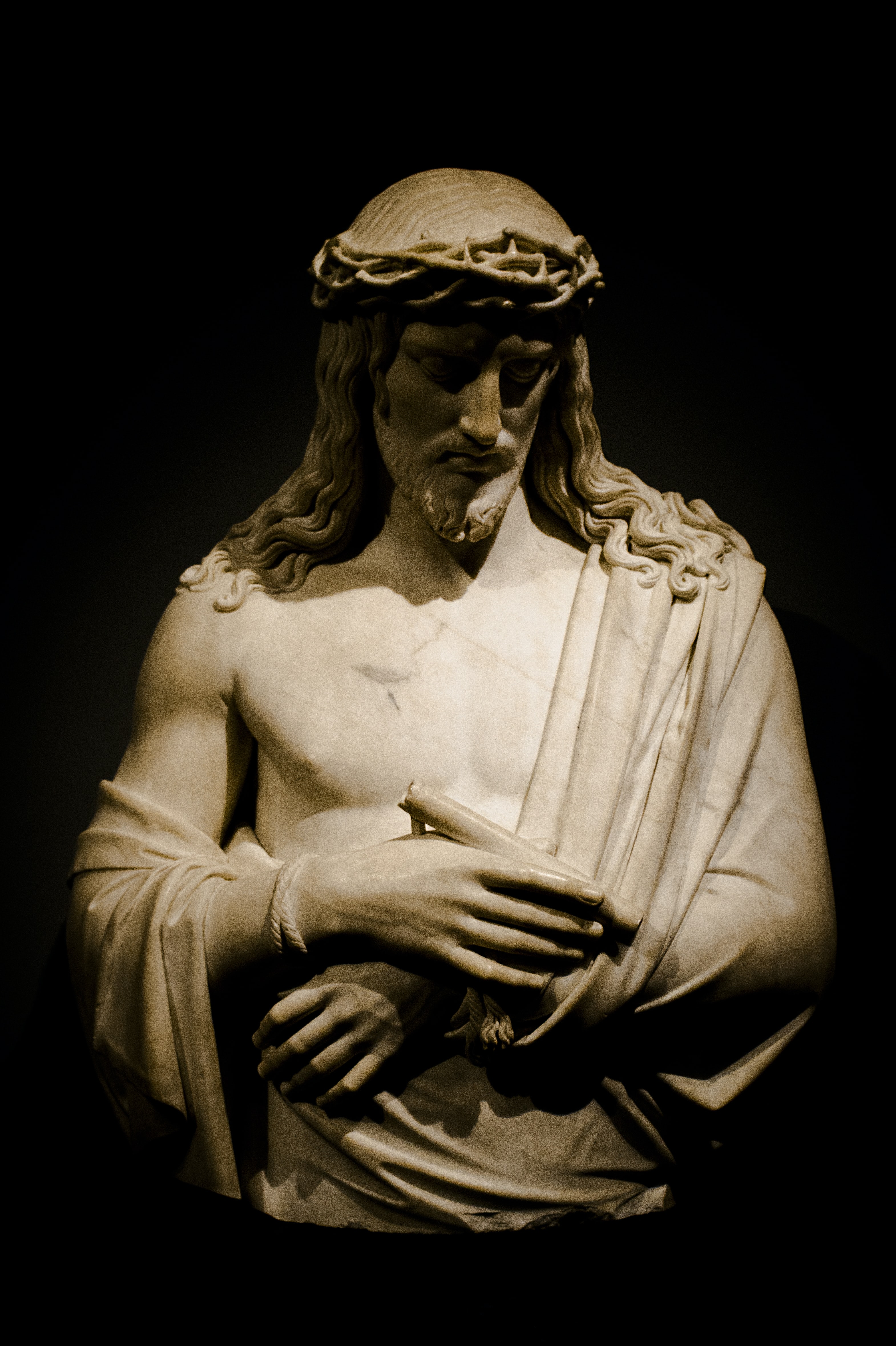
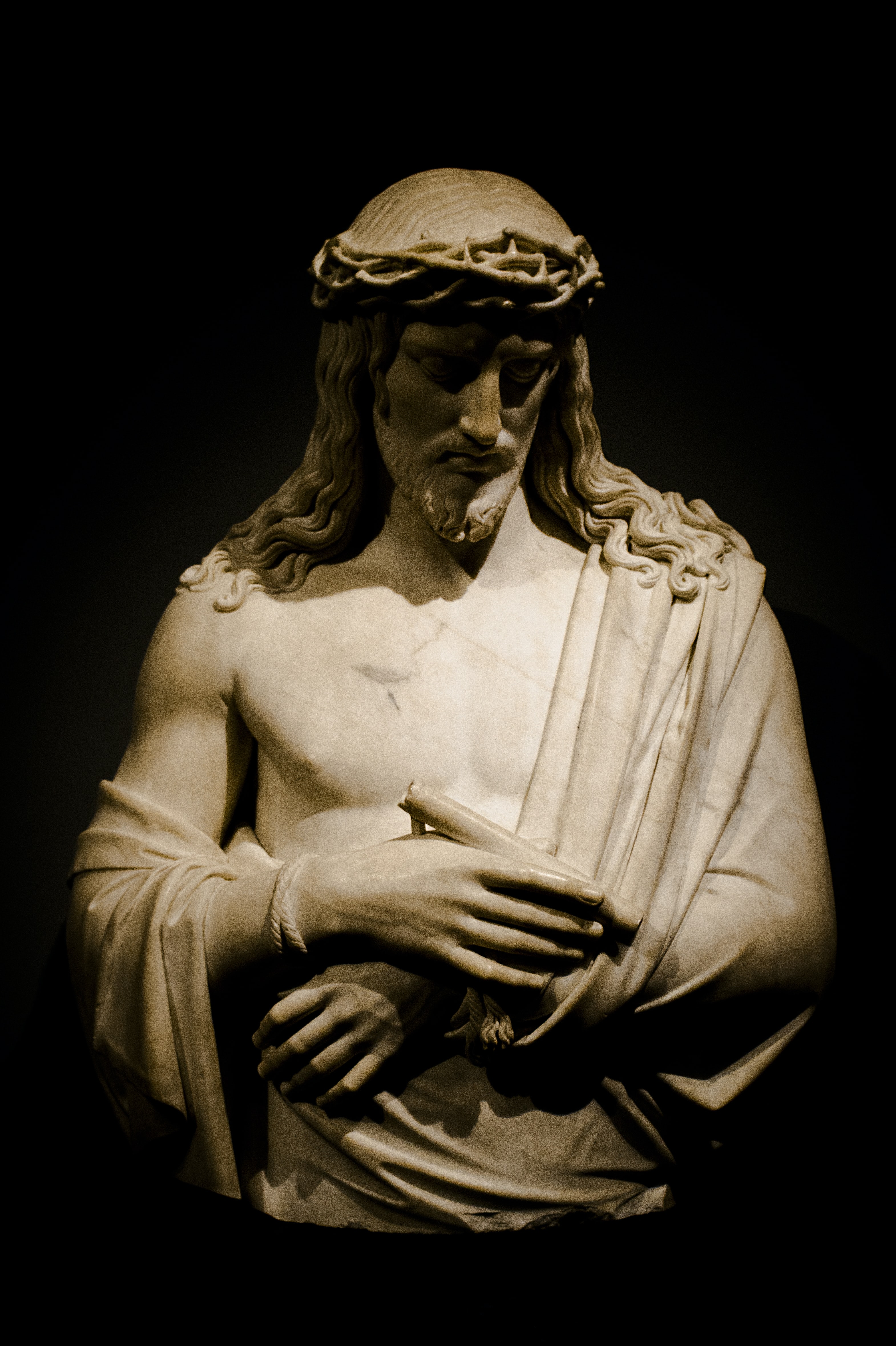
How often have you ever seen a teenager’s room with a rendering of Jesus hanging on the wall? I’d say these instances are few and far between.

Yet, Jesus is who we (and our kids) need to idolize. He died a horrible, painful death by one the worst methods of torture and execution that has ever come out of the evil heart of man. 

He did that so that we could stand spotless before the Father, washed clean of our sin, as He took all our sin upon Himself. 

His resurrection and conquering of the grave was the final straw, so to speak, as He was the firstfruits of us believers who will live eternally with Him.

Don’t get me wrong. I have nothing personal against LeBron James, Bradley Cooper, or Justin Bieber—but have they ever done anything personal for you or your children? 

They’re idolized because of what they have accomplished in their chosen fields, not necessarily what they have done to help humanity.

I believe that we as parents need to set the proper examples for our children by placing our priorities in the right places. 

We need to honor God and put Him first place in our homes. 

If discussions of bedroom posters come up, we should have heart-to-heart talks with our kids and help them understand how hanging a particular image on their wall is a form of idolatry.

But we need to go further than that. We can’t just sit back and expect our kids not to follow the examples we set for them. 

God should be honored in our households, whether that’s through a prominent display of a family Bible or an artist’s rendition of Christ. 

What our kids see us doing will have an even greater impact on our families, as children tend to pick up habits from watching their parents, in contrast to the appropriate advice their parents try to impart to them.

It’s a tough job, but somebody’s got to do it. To raise up the next generation of leaders whose hearts are in the right place—honoring God— we have to do the hard work of setting the right example for our children.

Who’s in?

A Chance Encounter

I was probably about 10 years old, give or take, and was riding my trusty Schwinn bicycle around my small town just as I often did. I came upon several kids, also on their bikes, who were more or less just congregating in the middle of the road.

I immediately recognized some of the kids as “those kids” that attended the one and only Christian school in our small county. It was located just down the road from the public schools, but it may as well have been miles away. 

I barely knew of these kids, as they rarely interacted with the rest of us who went to the county school system. To me, they all dressed funny and seemed a bit strange.

Nevertheless, I stopped to see what was going on, as there were a couple of kids I was familiar with in the group.

I don’t remember much about the conversation that took place—except that the Christian school kids were talking about Jesus and Hell. These weren’t my favorite topics, but I was curious to hear what they were saying, so I tuned in.

These kids, who appeared younger than I was, were saying that it was necessary to accept Jesus so that you could be “saved” and to go to Heaven and avoid going to Hell. I believe they even quoted a few scriptures to back up what they were saying.

I’ll admit that I didn’t like the tone of the conversation at all. It was disturbing. My mom regularly took me to one of the local churches in town, but at that time I don’t believe I had ever heard this particular teaching about Jesus.

As I recall, at our church there was some talk about Jesus being the son of God, but there was little if any mention about accepting him as your Savior as the only means to get to Heaven.

To be honest, hearing what they had to say about the gospel scared me. I had always assumed I’d go to Heaven just based on the fact that I was a “good person” who went to church and recognized that there was a God. 

It completely turned my idea of life after death upside down. Was what they were saying true? Did I really need Jesus in my life?

After a few minutes, I left the small group and continued on my bike ride, trying to put the conversation out of my mind. 

However, I never forgot what those young kids had to say about Jesus and salvation. Their words stayed with me over the years, and as I got older, I became more and more convicted of my need for Jesus as my Savior and that just a belief that there is a God in Heaven wasn’t enough for me to get to Heaven.

Things culminated in later years. My mom and I had switched churches by this time, to one where faith in Jesus was regularly preached as a prerequisite for eternal life in Heaven. 

Finally, at the age of 15, I gave my life to Jesus. It took many years, but I finally came to a saving realization in the Lordship of Jesus and the necessity of repentance and giving my life to Him. 

However, it all started back on that street with that group of kids several years earlier. That meeting left an impression on me that I’ve never forgotten.

I’m grateful to God for planting that seed in my heart even at that young age. It took some time, but the seed kept growing and came to fruition years later.

Who knows where I would be without that chance encounter on the street that day?

Freedom in Christ Is a Wonderful Blessing

Now the Lord is the Spirit, and where the Spirit of the Lord is, there is freedom.

2 Cor. 3:17

So if the Son sets you free, you will be free indeed.

John 8:36

And by him everyone who believes is freed from everything from which you could not be freed by the law of Moses. 

Acts 13:39

But now that you have been set free from sin and have become slaves of God, the fruit you get leads to sanctification and its end, eternal life.

Rom. 6:22

What does freedom in Christ mean? This is a question I have often pondered over my years as a Christian. To be honest, I’ve never understood the nuances of this idea, although I have some thoughts about it.

The concept of freedom in Christ stands in direct contrast to what many non-Christians believe that life in Christ is all about. 

A common belief is that being a Christian represents anything but freedom, and is instead built around a life of “Don’t do this” and “Don’t do that.” 

For many people, the idea of following Christ is about limiting what you can do and denying yourself all the fun things that life has to offer.

However, God tells us something different in His Word. All the verses above speak of the freedom we have as believers in Christ.

But what exactly is this freedom FROM or freedom TO?

First of all, as believers in Christ one of the most important freedoms we have is freedom from guilt due to our sins.

Christ died and was resurrected to pay the penalty for all our sins, both past and future. If you’ve accepted Jesus into your life, you don’t have any sin that has not been forgiven.

While we may still have to deal with the repercussions of our sins on this fallen earth, we’re no longer burdened with the guilt of our sin, as we’ve been made righteous in God’s sight by the blood of Jesus.

Our freedom in Christ means that we’re innocent and guilt-free.

Because of Jesus’s atoning death, which fulfilled the Old Testament law, we no longer have to make sacrifices to God to wash us clean of sin. Jesus did that once and for all. 

As believers in Christ, God sees us as new creations, clean and justified forever. That should lift our burdens and make our hearts feel lighter.

A second important aspect of our freedom in Christ is that we are free from the chains that sin shackles us with. Repeated sin drags us down and leaves us with an inferior quality of life. 

Jesus said,

I came that they may have life and have it abundantly.

John 10:10b

It is difficult to live joyous, peaceful lives when we have sin hanging over us.

With Jesus as our Savior, we should be living a better, more fulfilling life that we were before we accepted Him into our life. 

We are free to live our best life, even though we live in a fallen world plagued with sin and evil. 

God wants us to live each day to the fullest, without worry and anxiety over everyday concerns and problems that non-believers focus on (Matt 6:32).

Lastly, I believe that one of the best parts about freedom in Christ is the absence of death and the promise of eternal life that God has made to us as believers.

In one of the most famous verses in the Bible, we read,

For God so loved the world, that he gave his only Son, that whoever believes in him should not perish but have eternal life.

John 3:16

With Christ as our Savior, we have freedom over death. Once our fleshly bodies die, we’ll be given new spiritual bodies and live with God forever. We’ll never taste death.

That should give each believer something to eagerly look forward to.

This is just a quick summary of some of the important aspects of freedom in Christ. But it should give us hope as we deal with all the challenges this life gives us.

What If You Were Heir to a Kingdom?

We’ve all probably tried to imagine it at one time or another—it’s part of being a child and playing make believe.

The fantasy is…what if you inherited your own kingdom? What would you do?

As a child, it’s fun to imagine such scenarios. And it’s easy to dream of all the things you would do if you did inherit a kingdom.

Perhaps your dream as a child was to sit on a throne and issue decrees to the citizens of your kingdom. Maybe you’d love to have others wait on you all day long, taking care of your every need.

The list could go on and on of the fun things you could do if you had your own kingdom to rule over.

Unfortunately, few of us will ever come into a kingdom—at least here on earth.

The good news is that if we’re believers in Christ, we’re guaranteed a kingdom someday. 

Fear not, little flock, for it is your Father’s good pleasure to give you the kingdom.

Luke 12:32

Think about these words for a minute and let them sink in.

Your heavenly father is actually going to give you a kingdom! It’s like all your childhood dreams have come true.

But what does this mean exactly? Without a doubt, there is controversy over the meaning and timing of the word “kingdom” in this verse in Luke and similar verses.

However, one meaning it could have is Jesus’ millennial kingdom on earth that He establishes after His second coming.

Many believers overlook this 1000-year reign of Christ on earth; however, it is an important part of eschatology (the study of the end times or last things).

Besides our being a part of the eternal kingdom of God in Heaven, I believe that Jesus may be referring to his millennial kingdom.

Paul says in 1 Corinthians 6:2a:

Or do you not know that the saints will judge the world?

Believers in Christ are the saints Paul refers to in this verse.

What world is he talking about? It could very well be the world during Christ’s 1000-year reign. 

If so, then we’ll reign alongside Him:

Blessed and holy is the one who shares in the first resurrection! Over such the second death has no power, but they will be priests of God and of Christ, and they will reign with him for a thousand years.

Rev. 20:6

Could it be that we’ll sit beside Jesus and co-reign with Him? I believe that’s what the Bible tells us.

We’ll get to have a kingdom, after all!

Ed Hindson’s wonderful book, Future Glory, details the millennial kingdom and all the other wonderful things God has in store for believers. I highly recommend it.

However, to receive this kingdom, you have to accept Jesus as your Savior while you’re still on earth. 

If you haven’t done that yet, it’s the most important decision of your life. It will determine where you spend all of eternity—not just the 1000 years of Christ’s reign on earth.

The choice is yours. However, once you’ve passed on from this life, it’s too late. Make the decision today to begin your new life.

And look forward to reigning with Christ during the millennium.

For Best Results, Pray Every Day

Do you pray? If you don’t, you are missing out on an opportunity to commune with the God of the universe. God wants us to talk to Him and draw closer to Him.

Just as a small child runs into the arms of their mother or father, so should we run into the arms of our Heavenly Father by praying to Him and talking to him.

Making it a habit to pray to God every day will strengthen your spiritual life and help you become all that God intends for you to be. Not to mention that you’ll feel better and improve the quality of your interpersonal relationships.

God even commands us to pray. Therefore, we can be sure it is the right thing to do. Jesus said:

“Ask, and it will be given to you; seek, and you will find; knock, and it will be opened to you. For everyone who asks receives, and the one who seeks finds, and to the one who knocks it will be opened. 

Matt. 7:7-8

We need not worry if our prayers are doing any good. If we’re truly seeking God, we can trust in the effectiveness of our prayers:

The prayer of a righteous person has great power as it is working.

James 5:16b

The closer we draw to God, the more aligned with Him we’ll become in our heart. We’ll have the confidence that our wants are God’s wants:

Delight yourself in the Lord, and he will give you the desires of your heart.

Ps. 37-4

But what if you don’t see answers to your prayers? Never fear, because God is still in control:

Do not be anxious about anything, but in everything by prayer and supplication with thanksgiving let your requests be made known to God. And the peace of God, which surpasses all understanding, will guard your hearts and your minds in Christ Jesus.

Phil. 4:6-7

Our job is to pray and keep on praying, even when that inner voice tells us that it’s not doing any good. 

That’s when our faith muscle kicks in, and we can trust in God that He will work everything out for the best:

And we know that for those who love God all things work together for good, for those who are called according to his purpose.

Rom. 8:28

Even when things look bleak, we can be confident that God will not let us down. His way is the right way, so we should continually pray for His will to be done.

Doing so will increase our faith even more and enrich our lives here on earth while we wait to go to our eternal home in Heaven.

So, you’re not sure if you’re going to Heaven or not? 

There’s only one sure way to know. Ask Jesus into your heart to be the Lord of your life. Then, you can be certain you’ll have eternal life. 

It’s the most important decision you’ll ever make.

After you accept Jesus, pray every day for wisdom and direction. God won’t let you down.

Where Did God Come From?

At some point, most people have probably wondered where God came from.

You may not be familiar with the term aseity, particularly when it comes to God. According to gotquestions.org,

The aseity of God is His attribute of independent self-existence.

Basically, it means that God was not created. He is and always has been in existence. There was never a time when He did not exist. 

Aseity is a difficult concept for us human beings to wrap our heads around. We think in terms of beginnings and endings. For us, everything that we see we understand has been created, either by God or by man. 

Whether we’re looking at the sun—which we can attribute to God’s creation—or we gaze at the car sitting in our driveway—which was made in a factory somewhere—these are things that were once not in existence.

For us to think about God and His “independent self-existence” we have to accept what to our minds is an illogical concept. 

However, God is the sovereign Creator of the universe, so it shouldn’t be hard for us to ascribe aseity to Him. 

In Exodus 3:14a, we read,

God said to Moses, “I am who I am.”

This means God is and always has been. He is not just the beginning and the end. He is, and He created the beginning and ending of all things, including us. 

He didn’t need anyone or anything to create Him.

Someone may ask, Well, then did God create Himself? To ask that question implies that God had a beginning, a time when He didn’t exist. My opinion is that God did not create Himself. 

As R.C. Sproul writes in Enjoying God,

To create itself, something, even God, would have to be before it is. It would have to exist and not exist at the same time.

That logic makes sense to me. God could not have created Himself because He could not have existed and not existed at the same time.

Furthermore, God’s aseity means that He does not rely on anything else for His existence. He did not depend on anything for His creation, and He does not need any outside help to maintain His existence.

In fact, it is us humans, and every other living thing on the planet, that depends on Him for our existence. Without His willingness to keep us alive, we would not exist. 

We would not and could have ever come into existence without His causing it. He is the Supreme Cause and Creator of everything else in the universe.

God and only God decides the lifespan of everything.

When we’re talking about the aseity of God, it doesn’t include just God the Father. Jesus and the Father are both God, so the same principles hold true for Jesus as well.

Referring to Jesus, John 1:3 says,

All things were made through him, and without him was not any thing made that was made.

Jesus our Savior has all the same godly characteristics as God the Father.

He existed before anything else and was integral to the creation of our universe. Without Him we can do nothing.

We can’t mention Jesus without talking about His saving grace.

In fact, He is our only path to salvation. In John 14:6, Jesus says,

“I am the way, and the truth, and the life. No one comes to the Father except through me.”

Furthermore, He says in John 10:30,

“I and the Father are one.”

We have to accept the Lordship and divine attributes of Jesus to obtain our salvation. Believing that He is God and that He created everything else opens the door to eternal life.

It is the only way that we can enter into everlasting fellowship with God.

So, only by accepting the aseity of God, including that of the Father, Jesus, and the Holy Spirit, can we accept the deity of God.

He is not in the same category of creation as we are. He is the Creator, and we are the created.

God doesn’t have to have a beginning and an end, as He is the Author of everything else. 

Understanding and grasping this truth will help us better revere, worship, and serve God in our everyday lives.

One Day Closer to Jesus

If there’s one thing that believers in Jesus should have, it’s hope. Romans 15:13 tells us, 

May the God of hope fill you with all joy and peace in believing, so that by the power of the Holy Spirit you may abound in hope.

If we have Jesus, we also have the Holy Spirit. That means we should have plenty of hope in our lives. 

That doesn’t mean that every day is going to be all roses. After all, Jesus tells his disciples in John 16:33, 

I have said these things to you, that in me you may have peace. In the world you will have tribulation. But take heart; I have overcome the world.

These words should give every believer hope.

If you’re having a rough day, just remember that nothing is greater than Jesus and the hope we have in Him.

In fact, each day we live, is one day we’re closer to seeing Jesus face-to-face. 

Either through the rapture or by our own passing, if we’ve accepted Christ into our lives, today we’re that much closer to living with Him forever. 

I don’t know about you, but that makes me feel a whole lot better about everything that’s going on in my life and in the world right now. It’s a crazy time to be alive.

Just think, there are a finite number of days until we meet Jesus—it could be one day or 10,000 days, but there are only so many of them.

However, after we’re joined with Jesus, we have all eternity to look forward to, fellowshiping and worshipping Him. There will be NO END to those days.

The question is, have you accepted Jesus into your life? If you haven’t, then there’s no better time to do it than now. 

Tomorrow may be too late.

Why Should We Follow Jesus?

The question has been asked, What is the point in being a follower of Jesus?

It is a valid question and deserves a good answer. 

After all, who is this Jesus who came along 2000 years ago? Recorded history tells us that He showed up thousands of years after people had already been worshipping God.

This is a hard question, to be sure. For the answer, we must turn to the Bible, which is the inspired word of God. 

The Bible is not a single book, but actually 66 books written over a period of approximately 1500 years by around 40 different authors.

Let’s take a look at John 14:6-7 for the answer to our question. 

As it happens, Jesus was answering a question from one of His disciples about following Him.

Jesus answered, “I am the way and the truth and the life. No one comes to the Father except through me. If you really know me, you will know my Father as well. From now on, you do know him and have seen him.”

These are bold words, but if we’re serious about seeking God and serving him, we must take them to heart. 

If there truly is just one way to God—and Jesus is it— then we must become one of His followers.

To do otherwise is to risk our eternal destiny. If we’re wrong, then we’ve lost nothing. But if we’re right, then we stand to gain much. I’ve written about this before in another post.

Just a few verses before the ones above, Jesus says,

And if I go and prepare a place for you, I will come back and take you to be with me that you also may be where I am.

John 14:3

Jesus wants us with Him. He already has a place picked out in Heaven for every one of His believers.

And just so he’s clear and there’s no confusion—with some 4300 different religions in the world by one estimate—He tells us exactly how to get to God, and it’s through Him.

So, what do we need to do to become a follower of Jesus?

First of all, we must understand our need for Him. 

Romans 3:23 tells us,

For all [emphasis mine] have sinned and fall short of the glory of God.

Romans 6:23 explains the penalty for our sins as well as our reward for following Jesus: 

For the wages of sin is death, but the gift of God is eternal life in Christ Jesus our Lord.

Romans 10:9 tells us how to accept Jesus into our lives and be forgiven of our sins:

If you declare with your mouth, “Jesus is Lord,” and believe in your heart that God raised him from the dead, you will be saved.

The final step is crucial. Find a good, Bible-believing church and tell the pastor that you have accepted Jesus into your life. Ask to be baptized and begin attending the church.

In Acts 2:38, Peter the apostle says,

Repent and be baptized, every one of you, in the name of Jesus Christ for the forgiveness of your sins. And you will receive the gift of the Holy Spirit.

While baptism itself does not save you, it does represent our death and rebirth in Jesus. Likewise, church attendance is not mandatory for salvation, but Christians go to church to worship God and associate with other believers.

So, to answer our original question about following Jesus…

Jesus is our pathway to God. He is the only way to be forgiven of our sins, become reconciled with the Father, and experience eternal life with Him.

For me, that’s reason enough. What about you?